What That Dollar on the Bar Is Really Saying
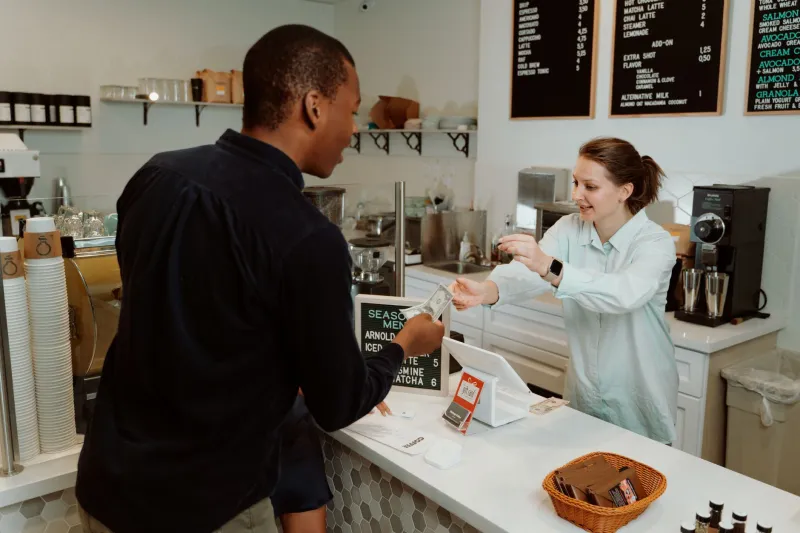
There's a moment that happens at just about every bar in America. The tab gets settled, the card comes back, and then — a pause. A quick mental calculation, maybe a glance at the receipt, and then a decision that feels a lot heavier than the math involved. How much do you leave?
It sounds simple. It isn't. Tipping in American pub culture carries a weight that goes way beyond arithmetic. It's a signal. A handshake. Sometimes even an apology. And the people on the receiving end of that slip of paper or that little line on a credit card receipt have seen enough of them to read between the lines with startling accuracy.
The Bartender Already Knows
Ask anyone who's worked behind a stick for more than a few months and they'll tell you the same thing: regulars reveal themselves through their tips long before they reveal themselves through conversation. The person who drops a couple of dollars after a single beer and a twenty-minute chat? They're going to get slower service the next time around — not out of spite, but because human nature runs the bar as much as anything else.
"You remember who takes care of you," says one longtime bartender who's been pouring drinks at neighborhood spots for over a decade. "Not in a vindictive way. But when it's slammed on a Friday and I've got twelve people waving at me, yeah — I'm going to the person I know appreciates the work."
That's not a confession of bad behavior. That's just how it works. Tipping is the social currency of the bar, and like any currency, it circulates. What you put in tends to come back around.
The Unwritten Rate Sheet Nobody Handed You
Let's talk numbers, because even though tipping is emotional, it's also practical. The rough consensus in American bar culture shakes out like this:
- A dollar a drink is the old-school minimum for simple orders — a draft beer, a well cocktail, nothing complicated.
- 15 to 20 percent on a full tab is the baseline for table service. Anything below that and you're sending a message, whether you mean to or not.
- 20 percent and above is where you start building a relationship. This is the range that gets your name remembered, your drink started before you sit down, and your empty glass noticed without you having to flag anyone down.
- On the house moments — when a bartender comps you a round or slides you an extra pour — those deserve a tip on what the drink would have cost. That's not just good manners; it's how the whole system breathes.
None of this is posted anywhere. Nobody's going to hand you a laminated card when you walk through the door. But every regular at every good pub absorbs it eventually, usually by watching how the people who've been coming in for years handle themselves.
What You're Actually Communicating
Here's where it gets interesting. Tipping isn't just a transaction between you and the person who served you. It's also a kind of social positioning — a way of saying who you are in the room.
The person who tips generously on a slow Tuesday, when there's no crowd to impress and no particular reason to perform generosity, is sending a very specific signal: I understand how this works, and I respect it. That lands differently than the big tipper on a packed Saturday who's clearly doing it loud.
On the flip side, undertipping — especially chronically — communicates something most people don't intend to say. It reads as either oblivious or indifferent, and neither plays well in a place where the staff sees you every week. You might not realize you've been quietly marked as someone who doesn't quite get it, but the team behind the bar absolutely has.
There's also the matter of how you tip. Cash, when you can manage it, still means something. It lands directly. It doesn't get pooled into a system or delayed by payroll processing. Sliding a couple of bills across the bar after a round is a gesture that's been meaningful in American drinking culture for generations, and it hasn't lost any of that meaning.
The Gray Areas Nobody Talks About Enough
Some situations genuinely trip people up, and it's worth naming them.
The to-go order. You called ahead, someone packed your food, someone else handed it to you. Is that worth a tip? A lot of people skip it entirely. But if someone spent time carefully boxing up your order, especially during a rush, a dollar or two acknowledges that the work happened even if you weren't sitting down for it.
The bad experience. This one's complicated. If service was genuinely poor — not just slow because it was busy, but actually inattentive or dismissive — it's reasonable to tip less. But the instinct to leave nothing, or to leave a coin as a pointed message, rarely accomplishes what people hope. A quick, honest word to a manager usually does more good for everyone involved.
The counter order. You walked up, placed an order, and someone handed you a cup. The tip jar is right there, staring at you. There's no hard rule here, but if someone made you something with any real effort — a properly pulled espresso, a carefully built cocktail — a dollar is a reasonable acknowledgment of the craft involved.
Why It Matters More Than People Admit
American tipping culture has its critics, and not without reason. There are legitimate conversations happening nationally about wages, service charges, and whether the whole system needs rethinking. Those conversations matter.
But right now, in the real world, at your local pub on a Wednesday night? The person refilling your glass is almost certainly relying on what you leave behind to make rent. The server running food to your table during a holiday weekend is working harder than most office jobs ever ask of anyone, and they're doing it with a smile because that's the job.
Tipping well — consistently, thoughtfully, without making a performance of it — is one of the quietest ways a regular earns their place in a room. It's how a stranger becomes a familiar face. It's how a transaction becomes a relationship.
And at a place like McCoy's, where the whole point is that you feel like you belong here, that relationship is kind of the whole thing.
So next time you're settling up, maybe take that extra beat. Do the math with a little generosity built in. The dollar you're weighing in your hand is doing a lot more work than it looks like.